
Quick answer: A 4 Ton Floor Plate 2 Post Car Lift is a baseplate two-post hoist rated at 4,000 kg per pair of columns, in which both hydraulic cylinders, the equalizing cables and the arm linkages are routed through a low steel plate that spans the workshop floor between the two columns instead of through an overhead crossbar. That single design choice lowers the required ceiling to roughly 2.8–2.9 m instead of 3.6–4.0 m, reduces the installed cost by 15–30 % compared with a clear-floor model, and keeps the packaged column height around 2.78–2.9 m so the lift fits inside a 40HQ container without on-site fabrication. The trade-off is a raised plate of about 50–70 mm across the bay, which slows down rolling jacks and oil drains, plus a slab requirement of at least 150 mm of C25/3,000 psi reinforced concrete under each baseplate. Baseplate lifts are the right purchase when ceiling height, budget or an older building decide the project — and the wrong one when the bay must roll a transmission jack from wall to wall without a step.
The naming convention in this product category confuses first-time buyers, so it is worth separating the three numbers that appear in every listing.
The distinction from a clear-floor lift is purely structural. A clear-floor unit ties the columns with an overhead gantry, which adds about 900 mm of column height and demands ceiling clearance for the tallest vehicle plus the crossbar plus working headroom. A baseplate unit ties the columns at the bottom, so column height is governed only by the maximum lifting height plus a service allowance.
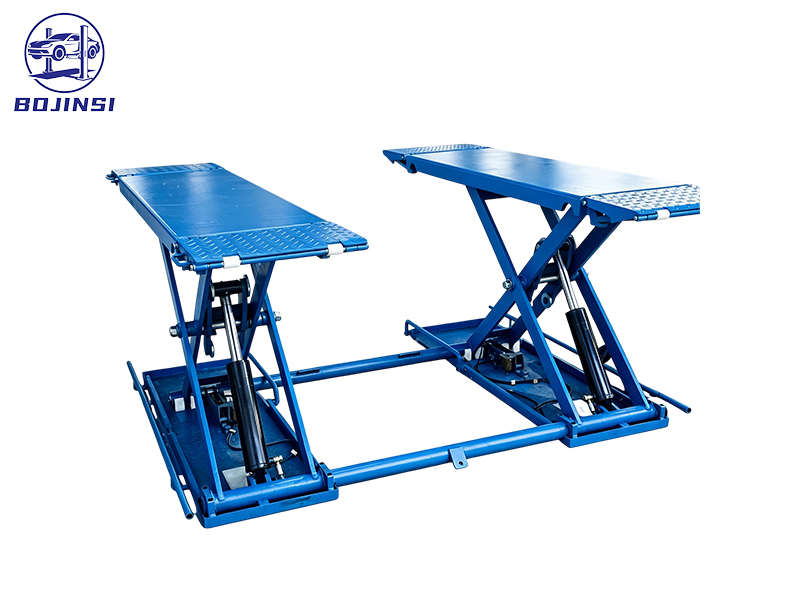
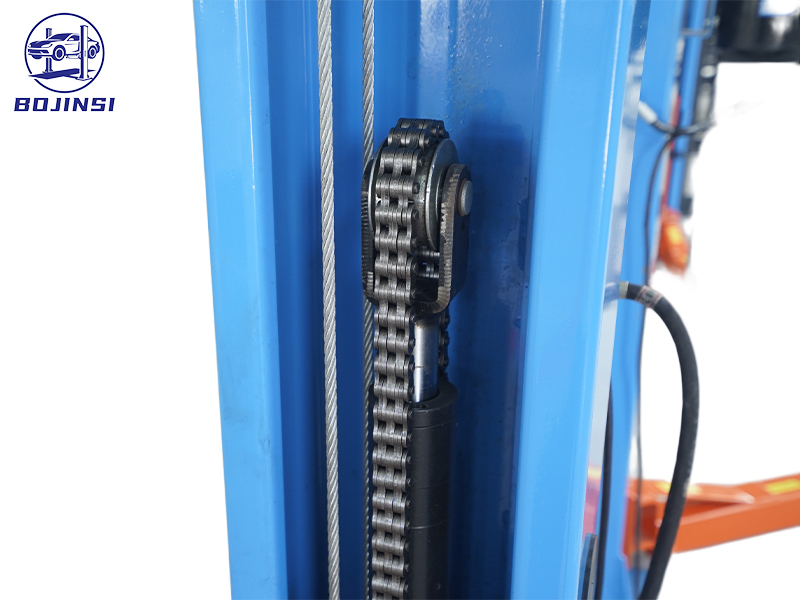
Understanding the mechanism explains why the capacity numbers are conservative and where maintenance attention belongs.
The table below is the decision matrix most workshop owners need before they request quotations. Capacity figures assume a class-4 passenger vehicle mix with occasional light commercial use.
| Parameter | Floor plate 2 post (4 t) | Clear floor 2 post (4–4.5 t) | Four post / drive-on |
|---|---|---|---|
| Minimum ceiling height | 2.8–3.0 m | 3.6–4.2 m | 3.0–3.6 m |
| Floor between columns | Raised plate, 50–70 mm | Flat, unobstructed | Runways, open centre |
| Wheels during work | Hanging free | Hanging free | Resting on runways |
| Wheel-off work (brakes, tyres) | Yes, 4 wheels | Yes, 4 wheels | Only with rolling jacks |
| Wheel alignment | Possible with turn plates | Possible with turn plates | Needs alignment-ready model |
| Double-stacking for storage | Not suitable | Not suitable | Core function |
| Relative equipment cost | Baseline | +20–35 % | +10–30 % |
| Relative installation effort | Low | Medium | Lowest (often freestanding) |
| Typical best fit | Low-ceiling shops, home garages, first lifts | High-volume service bays | Storage, alignment, lube bays |
Two less obvious points matter. First, a four-post lift is not a substitute for a two-post lift in brake and suspension work; runways block the underbody unless bridge jacks are added. Second, a baseplate lift can be converted into an alignment bay by adding turn plates at the front and slip plates at the rear, provided the plate does not interfere with the plate housings — check the geometry before ordering.
These are the figures to collect from every supplier so quotations can be compared on equal terms rather than on price alone.
| Item | Typical range for a 4 t floor plate lift | Why it matters |
|---|---|---|
| Rated capacity | 4,000 kg (8,800 lb) | Choose 20–30 % headroom over your heaviest vehicle |
| Max lifting height | 1,800–2,000 mm | Under 1,800 mm is cramped for tall technicians |
| Min pad height | 90–110 mm | Low sports cars need the low end plus low-profile pads |
| Overall column height | 2,780–2,900 mm | Directly sets your ceiling requirement |
| Overall width / drive-through | 3,400–3,560 mm / 2,500–2,750 mm | Drive-through decides whether a full-size van fits |
| Between-columns distance | 2,700–3,000 mm | Door-opening room for wide-body SUVs |
| Arm configuration | 3-stage front + 2-stage rear, or 2+2 | 3-stage arms cover small hatchbacks and long vans |
| Lifting time | 45–55 s | Cycle time matters at 8–12 jobs per bay per day |
| Motor | 2.2 kW or 3 kW, 220 V 1-ph / 380 V 3-ph | Match your available supply before ordering |
| Net weight | 600–800 kg | Freight class and container loading |
| Column steel | 4–6 mm, 6- to 8-fold formed | Folded sections resist twist better than flat plate |
| Baseplate thickness | 16–20 mm | Load spreading into the slab |
| Locking pitch | 50–75 mm | Finer pitch = more usable working heights |
| Test load | 115 % dynamic, 150 % static | Standard proof testing before shipment |
A 4,000 kg rating with 1,820 mm lifting height and a 2,860 mm column is a common export configuration: it clears a standard 3 m workshop ceiling, fits 20-foot container loading in pairs, and still lifts a 2,800 kg SUV with 30 % margin.
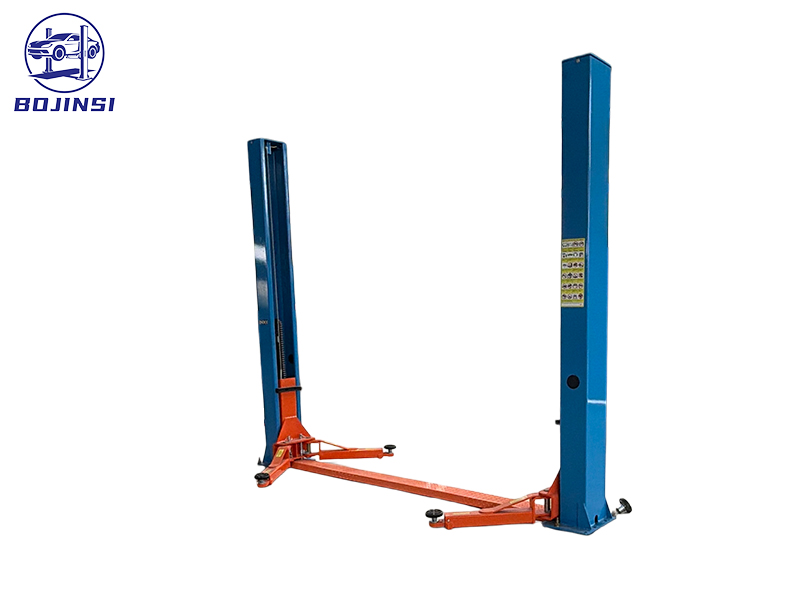
Equipment price is only 45–60 % of a commissioned bay. A realistic budget for a single 4 t baseplate lift, based on typical export and import markets, breaks down roughly as follows.
| Cost element | Share of project | Notes |
|---|---|---|
| Lift unit, FOB | 40–50 % | Baseplate costs less than clear floor at equal capacity |
| Sea freight and insurance | 8–15 % | One lift occupies roughly 1.6–2.0 CBM crated |
| Duty and local taxes | 5–20 % | HS code 8425.42 typically applies |
| Slab assessment or repair | 5–25 % | Highest variance item in older buildings |
| Anchors, hydraulic oil, consumables | 3–6 % | Oil is usually not included in the crate |
| Installation labour | 8–15 % | Two fitters, one to two days |
| Electrical connection | 2–5 % | Dedicated breaker, earthing |
| Initial inspection / certification | 2–4 % | Often legally required before first use |
The slab line is where projects overrun. Coring a test hole and measuring thickness before ordering is a two-hour task that prevents a five-figure surprise. A baseplate lift is more forgiving than a clear-floor lift because the load is spread over a longer anchor pattern, but "more forgiving" is not the same as "safe on 80 mm of unreinforced screed".
Baseplate lifts are not a compromise product; they are the correct product in several identifiable situations.
The mirror-image cases are just as clear: high-volume multi-bay shops with transmission and driveline work, and any bay where a rolling jack must travel the full length of the vehicle, are better served by a clear-floor lift and a taller building.
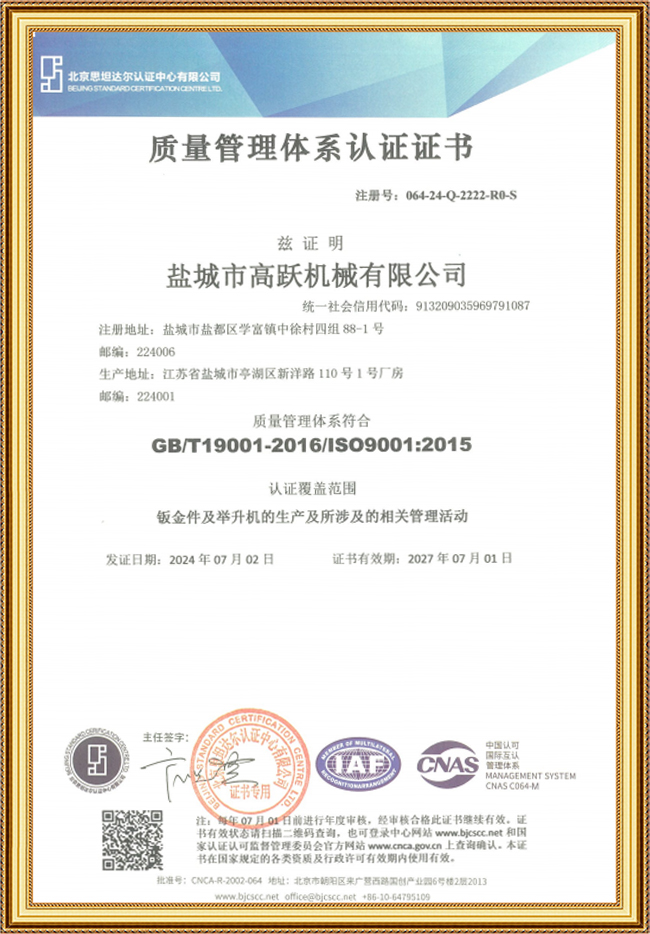
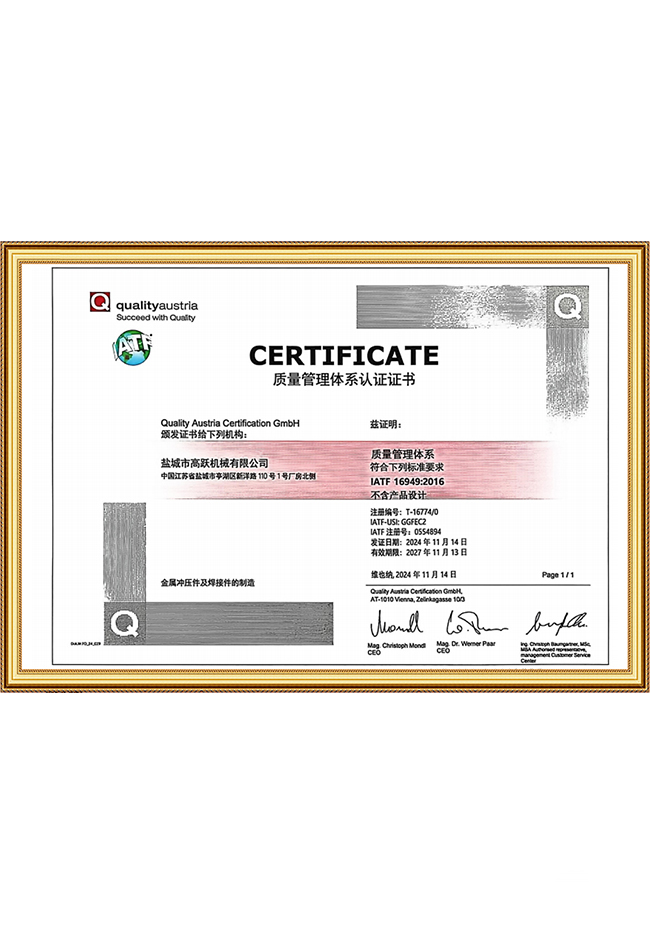
Market access depends on documentation as much as on steel. A lift that cannot produce the right certificate file will not pass inspection in most regulated markets, whatever its build quality.
On the machine itself, verify these items individually rather than accepting "CE certified" as a complete answer: dual mechanical safety locks with single-point release, automatic arm restraints that engage as the carriage rises, anti-surge valves on both cylinders, hose-burst protection, an emergency lowering function, rubber door guards, a padded overhead shut-off where applicable, and a load-rating plate showing capacity, serial number and test date.
A well-run baseplate lift typically returns 8–12 years of daily service before major refurbishment. The schedule below is the one to put on the bay wall.
| Interval | Task | Time |
|---|---|---|
| Daily, before first use | Visual check of cables, hoses, pads and arm restraints; confirm locks engage | 2–3 min |
| Weekly | Clean floor plate channel; check for oil film under the plate; verify emergency stop | 10 min |
| Monthly | Inspect pad rubber for cuts; check anchor bolt heads for movement; test anti-surge valve response | 20–30 min |
| Quarterly | Lubricate lock pawls and arm pivot pins; re-tension cables; check column bolts | 45–60 min |
| Every 6 months | Hydraulic oil level and condition; filter screen clean; torque check on anchors | 1–2 h |
| Annually | Full statutory inspection, cable wear measurement, cylinder seal assessment, load test where required | 2–3 h |
| Every 3–5 years | Replace hydraulic oil; replace pads and worn arm pins; consider cable replacement on high-cycle lifts | Half day |
Wear parts that should be stocked: two arm pads, one set of arm pins and restraint springs, one hydraulic hose set, and a spare lock pawl spring. Consumable cost typically runs 1–2 % of equipment value per year, and pad replacement is the item most often deferred too long — hardened, oil-soaked pads are a slip risk, not just a comfort issue.
Any supplier unable to answer points 2, 3 and 8 in writing before payment is a risk to the project, regardless of price. Conversely, a supplier who sends a layout drawing dimensioned to your bay, an anchor schedule and a serial-numbered test certificate is usually telling you the truth about the rest.
For most passenger SUVs and crossovers, yes. A mid-size SUV typically weighs 2,000–2,600 kg and a full-size electric SUV 2,600–3,100 kg, both inside a 4,000 kg rating with margin. The limiting factor is rarely total weight but the per-arm load and the pad positions: a 3,000 kg EV with a floor-mounted battery may not have lift points where your arms reach, so confirm the vehicle's lift-point drawing against the arm reach before committing. Above about 3,200 kg, move to a 4.5 t or 5 t model.
Plan on 2.9–3.1 m of clear height. The column itself is usually 2,780–2,900 mm tall, so a 3 m ceiling works, but you must also measure to the lowest obstruction when the garage door is up. If you need to lift a 2 m tall van to 1,800 mm, the roof rises to about 3,800 mm above the floor, which exceeds any 3 m ceiling — in that case, lower the lift target height or change the vehicle mix.
Only if the slab is at least 150 mm thick, reinforced, sound and fully cured. Core a test hole and check for voids and embedded services. If the slab fails, the options are a local reinforced pad poured around each column position with proper keying, or a full bay re-pour; both are cheaper than an anchor pulling out under load. Never install on asphalt, block paving, timber, or a thin screed over insulation.
They are routed between the columns and protected by a beveled or diamond-pattern steel cover plate, typically 50–70 mm high at its highest point and 16–20 mm thick. Nothing load-bearing is exposed, but the plate can collect dirt and oil, so include channel cleaning in the weekly routine. Some designs route the hoses through a raised centre hump rather than a full plate; enquire which layout your model uses, since it affects where you can roll a jack.
Symmetric arms are equal length and centre the vehicle between the columns, which suits vans and long-wheelbase vehicles. Asymmetric arms are shorter at the front and longer at the rear, setting the vehicle further back so the front doors open clear of the columns — usually the better choice for car-focused service work. Many modern 4 t models offer a versymmetric or dual-position layout; ask which position the load chart is written for, because the rating may differ between the two.
Energy use is modest: a 2.2 kW motor running roughly 10 lift cycles a day for 50 seconds each consumes about 0.3 kWh per day, or 70–90 kWh per year — a small line item next to lighting and compressed air. The real operating costs are hydraulic oil (a 10 L change every 3–5 years), pads and seals, and the annual statutory inspection.
Most European jurisdictions require inspection before commissioning and then at intervals set by national regulation — commonly every 12 months, and in some countries every 6 months for lifts above a specified lifting height. North American practice under ANSI/ALI ALOIM calls for annual inspection by a qualified lift inspector with records kept on file. Regardless of local law, a documented daily pre-use check and a quarterly preventive maintenance visit will catch the failures that matter: cable wear, loose anchors and stuck pawls.
Yes, and this is one of its practical advantages. The columns unbolt from the baseplate, the anchors are cut flush, and the unit can be reinstalled with new anchors at the new site — provided the concrete there also meets specification. Budget for new anchors, new hydraulic oil, a fresh equalizing adjustment and a repeat inspection. Expect the relocation to cost 25–40 % of a new installation, and check that the warranty transfers.
Single-phase models normally run on 220–240 V at 16 A; three-phase export models on 380–415 V at 16–32 A. Install a dedicated circuit with a residual-current device rated for the motor, and confirm phase rotation on three-phase units before the first lift — a reversed pump will run but deliver no pressure. Where supply is unstable, a 3 kW motor with a soft-start or a voltage-stabilised supply protects the pump.
The usual causes, in order of frequency: air trapped in the circuit (cycle the lift without load three to five times and top up the reservoir), incorrect oil viscosity in cold conditions (ISO VG 32 for cold workshops, VG 46 for warm climates), a clogged suction filter screen, or a relief valve set too low. If lifting time degrades gradually over months, check cable tension and arm pivot lubrication before suspecting the pump.
Buy a 4 ton floor plate two post car lift when the building decides for you — ceiling under 3.2 m, older slab, tight budget, or a bay that will be relocated in a few years. Choose clear floor when the workflow decides for you: high job volume, transmission and driveline work, and a building that can give you 4 m of clearance. Either way, the purchase only succeeds if four numbers line up before the crate arrives: capacity against the heaviest vehicle, column height against the lowest obstruction, slab thickness against the anchor schedule, and motor specification against the site supply. Get those right, add a documented maintenance routine, and a baseplate lift will run a decade of daily service without ever needing the roof raised.

تأسست BOJINSI Lift مع الالتزام بالجودة والابتكار، وهي شركة مصنعة محترفة متخصصة في معدات رفع السيارات وحلول مواقف السيارات. مع أكثر من 15 عامًا من الخبرة في الإنتاج والتصدير، قمنا ببناء سمعة قوية كمورد موثوق للعملاء في جميع أنحاء العالم.
واتساب:+86 15295312418
البريد الإلكتروني: jacky@bojinsilift.com
الإضافة: مجموعة 7 قرية تشينغتشوانغ، شارع تشانغتشوانغ، منطقة ياندو، مدينة يانتشنغ، مقاطعة جيانغسو، الصين


حقوق الطبع والنشر © 2025 شركة Jiangsu Bojins Auto Parts Technology Co., Ltd
خريطة الموقعيستخدم هذا الموقع ملفات تعريف الارتباط لضمان حصولك على أفضل تجربة على موقعنا.

 English
 Español
 Pусский



 هاتف
 صندوق البريد
 رسالة
تعليق
(0)